ProjectsNovember 18, 2026· 2 min read
How to evaluate an agricultural project before investing: four questions
Before committing significant resources, an agricultural project has to answer four questions: whether it can be done, whether it adds up, what has to be true and who will run it. A way to evaluate it in stages.
By Trofoni team
Download PDF
An agricultural project rarely fails because of a bad spreadsheet. It fails because something taken for granted was not true, and nobody checked in time.
Evaluating a project means putting those doubts in order before they cost money. At Trofoni we do it with four questions.
1. Can it be done?
This is technical feasibility: the production system, the resources, the technology and the capabilities the project requires. It is not enough for the idea to work elsewhere; it has to work with this soil, this climate, this team and this scale.
2. Does it add up?
This is economic feasibility: investment, costs, income, sensitivity and break-even. A model is useful when its numbers rest on traceable assumptions, that is, when you can say where each one comes from and what happens to the result if it changes.
3. What has to be true?
Every project rests on a few critical assumptions. The task is to name them, estimate their risk and define how each one is verified before committing significant resources.
It tends to be the most uncomfortable question and the most useful. An assumption that can be tested cheaply should not reach the investment stage untested.
4. Who will run it?
This is organization: legal structure, governance, roles and agreements between the parties. Technically sound projects stall because nobody settled who decides what.
In stages, not all at once
Evaluating in stages avoids spending on detail before knowing whether the idea survives the basics:
- Thesis: what the project promises and what would have to be true.
- Stages: pre-feasibility, feasibility and a testing plan.
- Model: numbers with traceable assumptions and sensitivity.
- Decision: recommendation, conditions and next steps.
The four possible outcomes
A good evaluation does not end in "yes" or "no". It ends in one of four decisions: proceed, adjust, partner or stop, together with the tests needed before taking the next step.
Stopping in time is also a good result. It is cheaper than finding out the same thing after the investment is made.
Who it makes sense for
- Companies with a new project or an expansion on the table.
- Partners and investors evaluating whether to enter an opportunity.
- Growers who want to test a line before scaling.
If you have a project under evaluation, tell us what stage it is at or see how we work on project evaluation and development.
This article states sources, date and limits. It is not advice for a particular case.
Insights
All Insights
MappingNovember 24, 2026
2 min read
What are drones used for in agriculture? Four uses that change a decision
A drone is not useful because it flies: it is useful when the information it brings changes a decision. Four concrete uses of drone mapping on a farm, and the limits worth knowing before hiring a service.
By Trofoni team
MappingNovember 23, 2026
2 min read
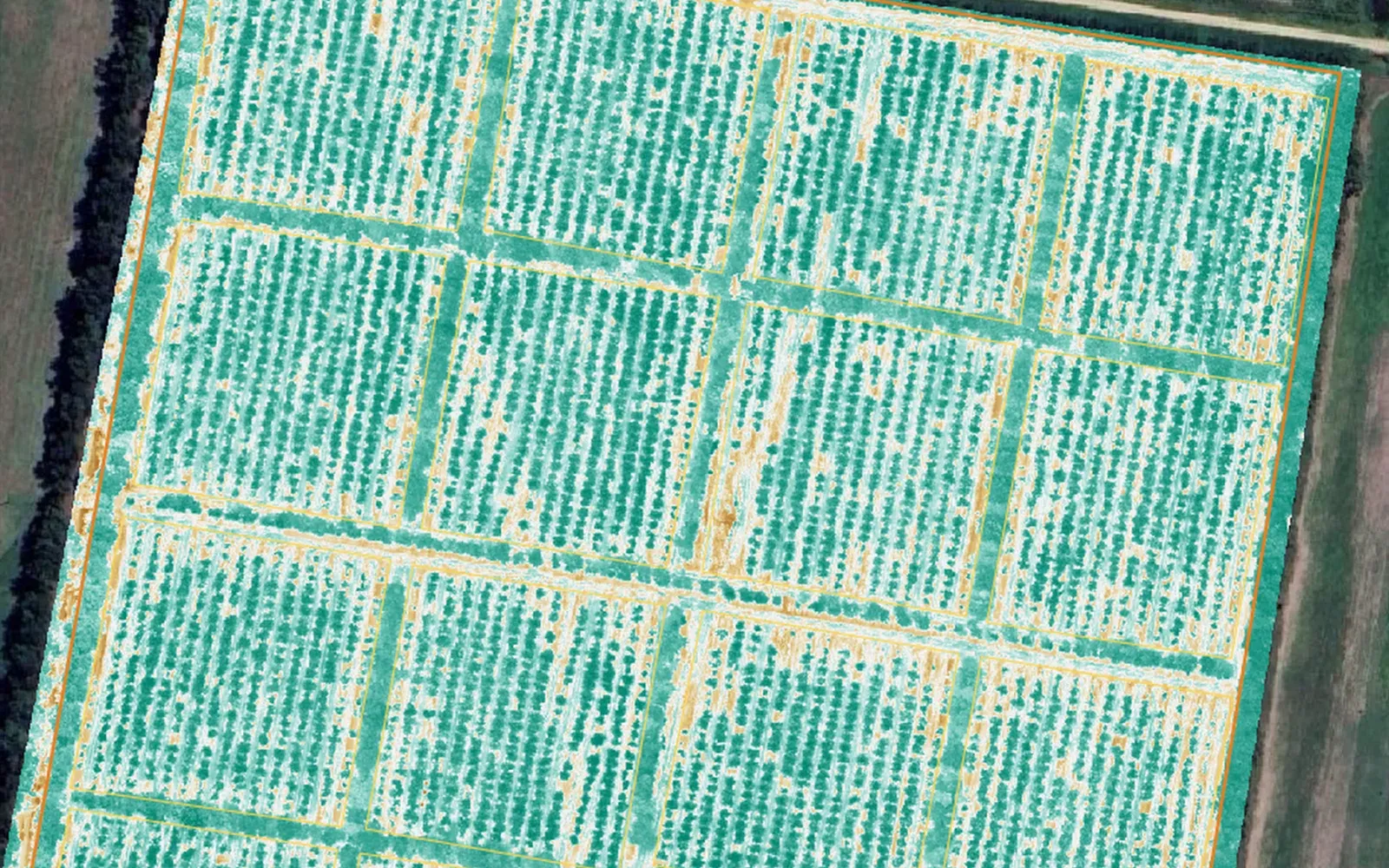
What is NDVI and what is it for on the farm? What it shows and what it does not
NDVI is a vegetation index that reveals differences in vigour within a field or an orchard. It tells you where to look, not why. A short guide, with background from Uruguay.
By Trofoni team
MappingNovember 20, 2026
2 min read
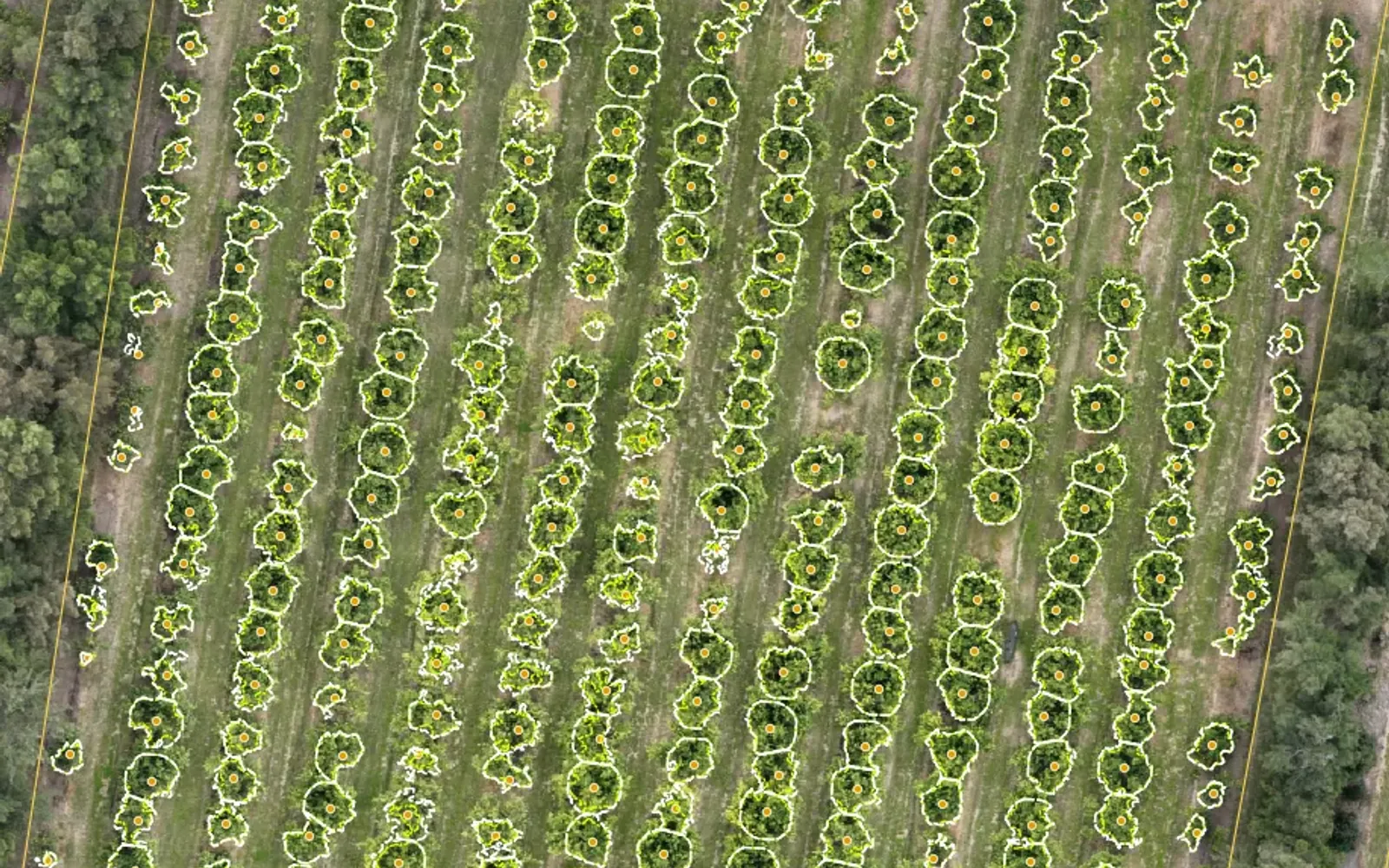
Tree counting with drones in citrus: why the inventory comes first
In a citrus orchard, decisions are made by block and by tree. A verifiable inventory (how many trees there are, how many are missing and which behave differently) is the base everything else rests on.
By Trofoni team