MarketsOctober 7, 2026· 2 min read
Uruguayan agriculture in numbers: what the 2024 Census says about where the scale is
41,918 farms and 16.1 million hectares, yet a third of the farms hold 91% of the land. A sector-by-sector reading to organize prospecting and investment decisions.
By Daniel Macchi
Download PDF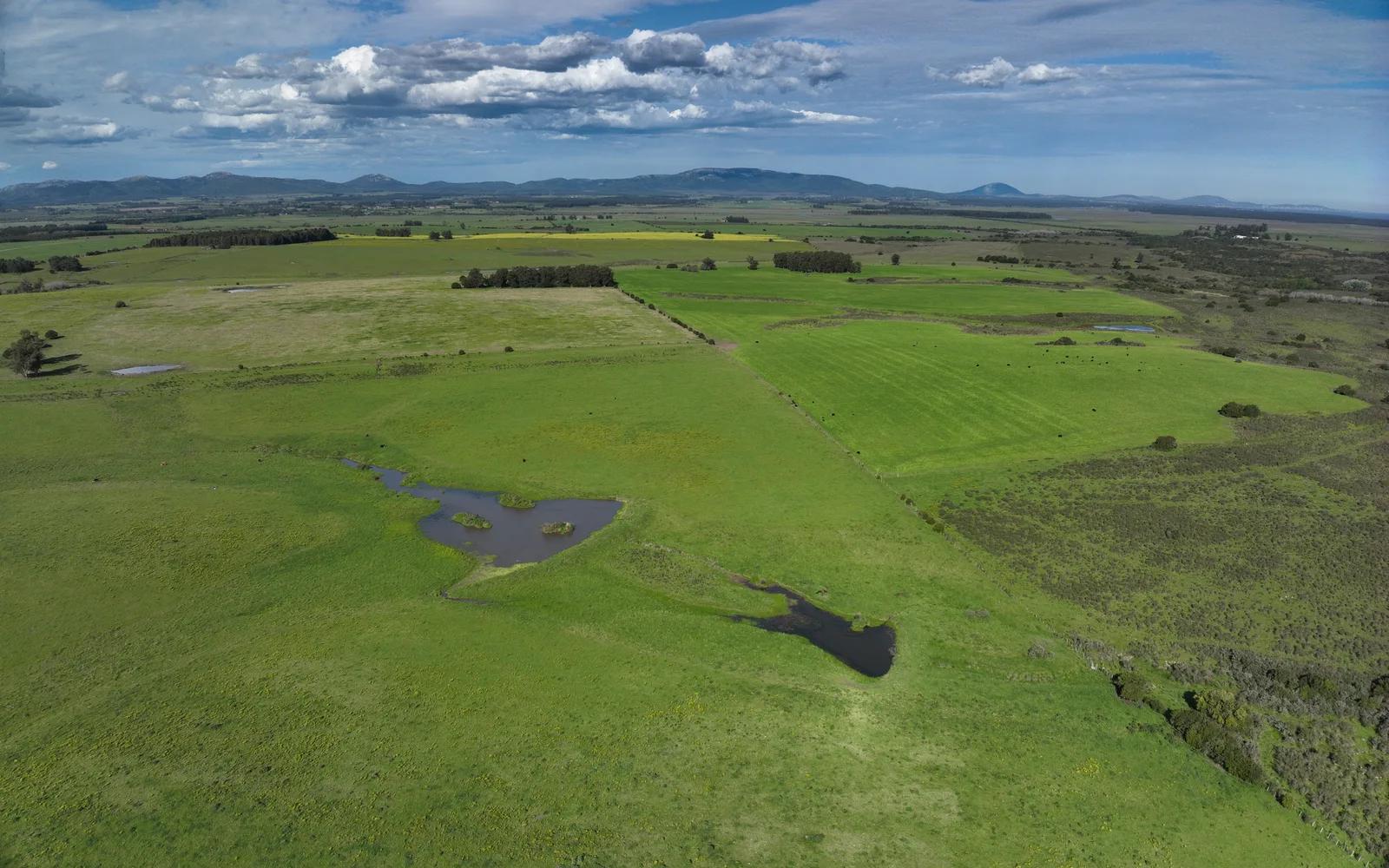
Every so often it pays to go back to the big numbers. Not because they change a decision on their own, but because they organize the conversation: where there is scale, where there is concentration and where a service or an investment finds counterparts.
The overall picture
The 2024 General Agricultural Census, produced by MGAP and INE, recorded 41,918 farms and 16,147,749 hectares, with an average size of 385 ha. Within that universe, 13,367 farms of 200 ha or more hold 14.70 million ha: a third of the farms occupy 91% of the land.
OPYPA estimated agro-industrial exports above US$10 billion in 2025, with high harvests, good forage availability and climate risks for the following season. Systems of relevant scale and economic value, exposed to spatial variability and weather.
By sector
The counts use different units (Census farms, DICOSE holders, surveyed producers) and should not be added without removing duplicates. They serve to compare orders of magnitude.
Crops. 1,684,366 physical ha of cereal and industrial crops according to the Census; over 2.2 million ha planted in the main grains in 2024/25 according to DIEA and INE. DICOSE identified 1,591 crop holders, 711 with 200 ha or more. A market of scale, with specialized competition and the capacity to internalize technology.
Livestock. 11.08 million cattle and 9.19 million ha of natural grassland. 37,564 livestock holders; 6,453 with 500 ha or more. The opportunity for information and management concentrates in systems with intensive forage management, subdivisions and frequent decisions, not across the whole area.
Dairy. 3,130 farms, 866,374 ha and 687,829 dairy cattle. 2,552 holders, 1,363 with 100 ha or more. Four processors captured 91% of deliveries in 2025: concentrated channels.
Citrus. 13,294 ha in 2025. 413 farms in the 2023 survey; eight companies above 400 ha account for 63% of production. Between 39 and 140 farms exceed 20 ha. The most concentrated sector and the one where accounts can be named.
Deciduous fruit. 557 producers and 3,847 ha in 2025/26, 6.9 ha on average. The smaller scale calls for adapted packages or sales through organizations and advisors.
What to take from this
- Scale is not demand. That 14.7 million hectares sit in large farms does not mean they all need the same thing. The addressable market is analyzed by sector, buyer and problem.
- Concentration defines the channel. In citrus and dairy you can reach decision-makers one by one or through a few processors. In livestock you need to segment by management intensity.
- Intermediaries matter. Advisors, cooperatives, processors and insurers aggregate demand and, handled well, are allies before they are competition.
These figures are a reference for organizing prospecting and evaluating projects. They should be updated with commercial experience and with the next DIEA and OPYPA publications.
This article states sources, date and limits. It is not advice for a particular case.
Insights
All Insights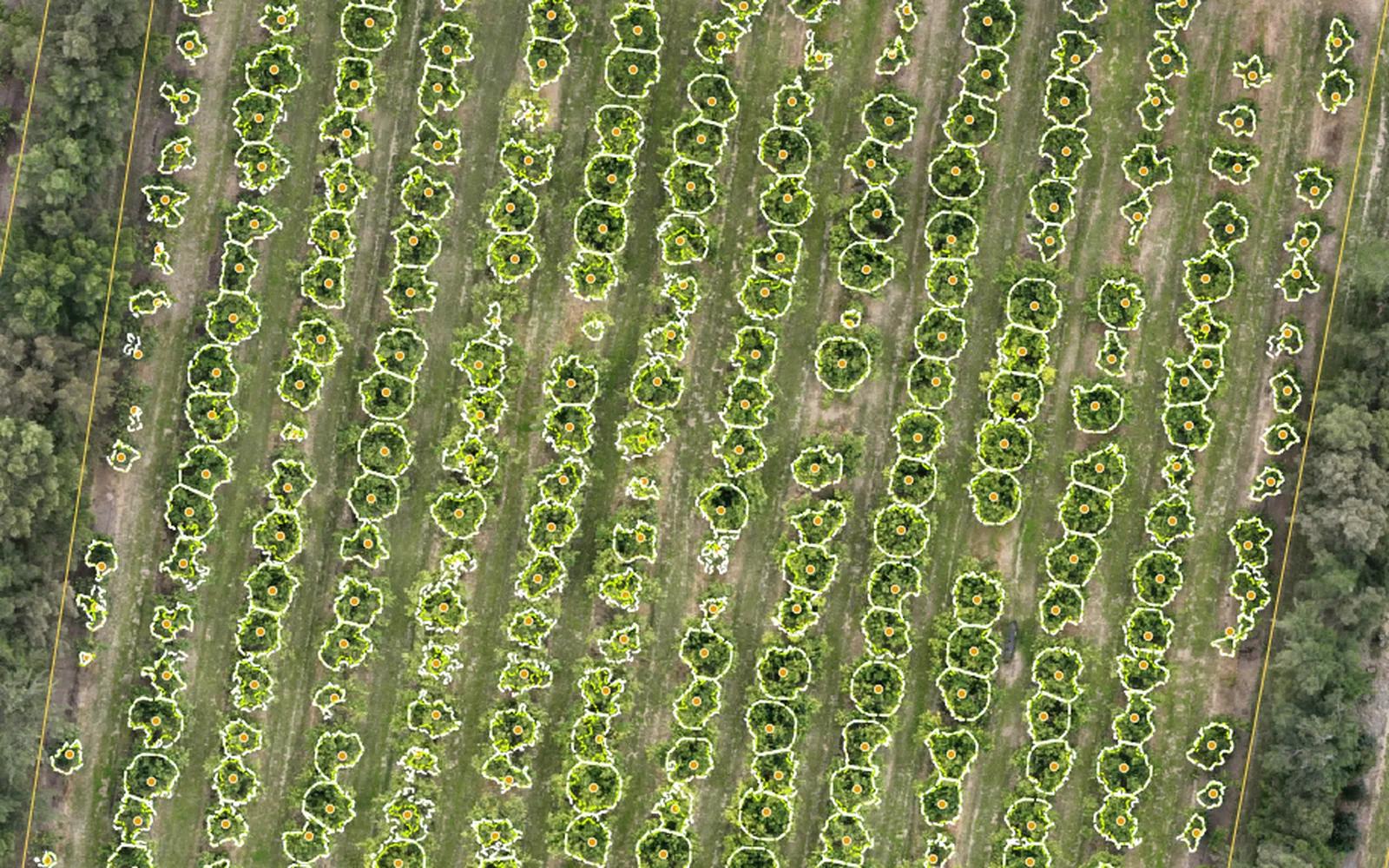
MappingOctober 20, 2026
2 min read
Why citrus is the entry point for aerial information in Uruguay
A concentrated sector with recurring decisions per block and per tree is where a drone stops being a toy and becomes a management tool.
By Daniel Macchi
Production systemsOctober 14, 2026
2 min read
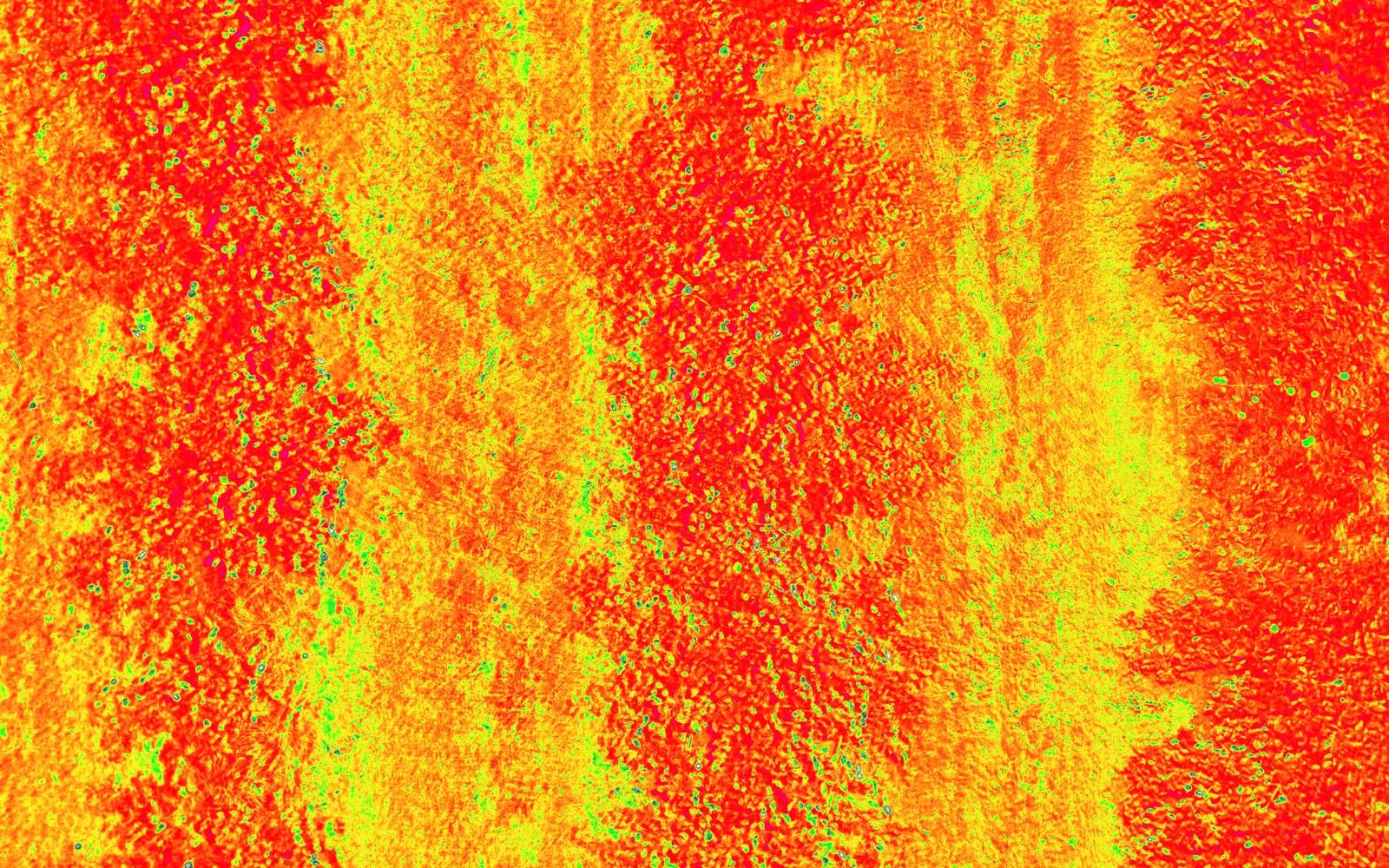
Satellite or drone: when each one makes sense for monitoring a farm
They do not compete: they complement each other. Satellite is the first layer for routine follow-up; the drone comes in when the decision requires seeing a tree, a damage or a change the satellite pixel cannot resolve.
By Daniel Macchi